
Innovative Small Business Asylon Robotics Advances Air Force Aircraft Inspection Modernization at WR-ALC
Published July 22, 2026
Warner Robins, GA — Asylon Robotics has partnered with Warner Robins Air Logistics Complex (WR-ALC) via a $2.34 million Small Business Innovation Research (SBIR) Phase III contract to advance autonomous aircraft inspection technology, marking a significant step toward modernizing Air Force maintenance operations.
The award follows a 2025 technology showcase organized by WR-ALC and SBCC to address a persistent Air Force challenge: improving the speed and safety of aircraft General Visual Inspections (GVIs). These mission-critical inspections require significant time and labor and can expose Airmen to hazardous conditions. Six finalists presented technologies to WR-ALC leaders, including small unmanned aircraft systems and data analytics platforms designed to accelerate operational deployment. The event highlighted the depth of innovation within the small business ecosystem and identified multiple pathways to achieve Technology Readiness Level (TRL) 9 by FY27.
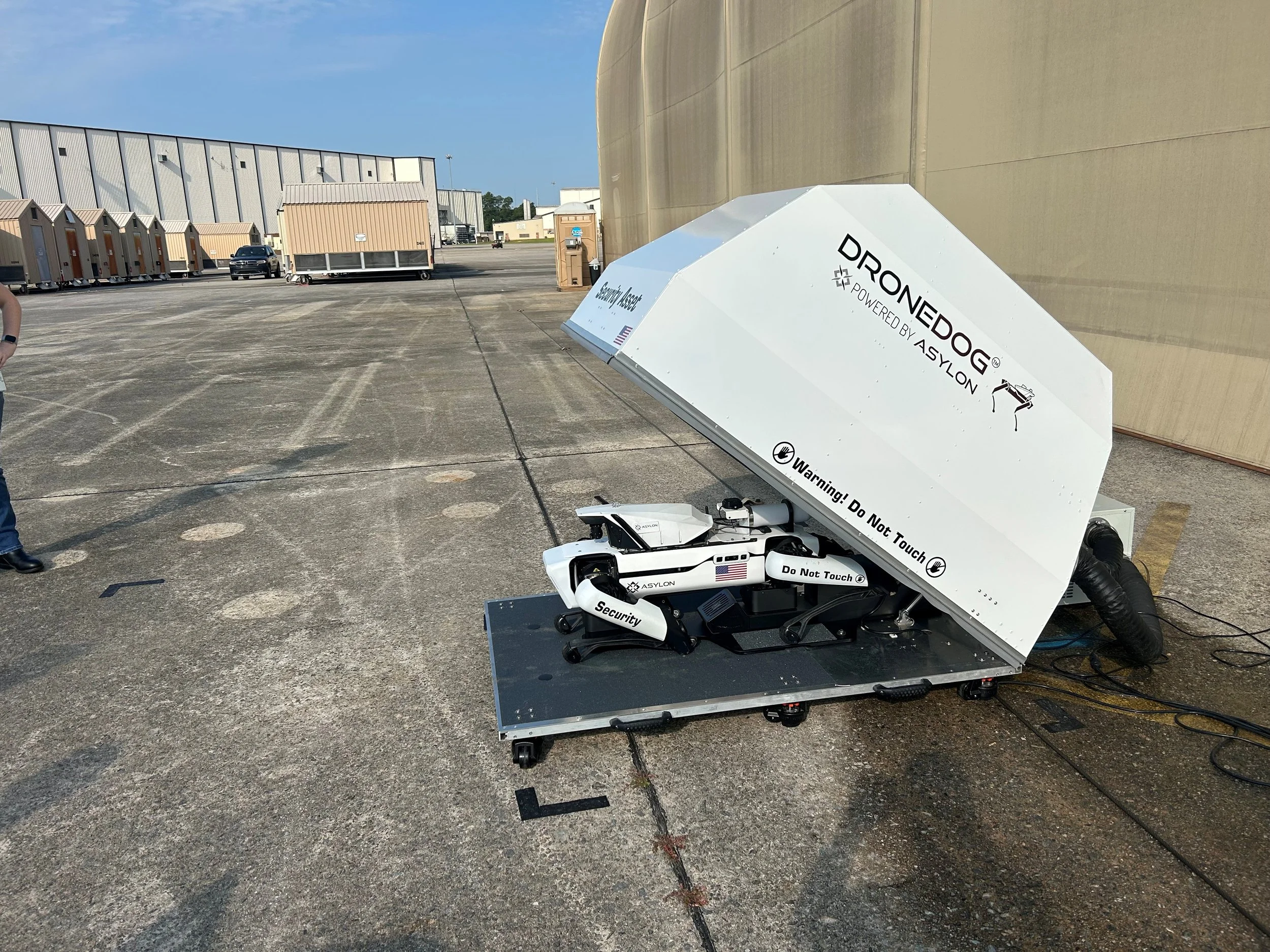
WR-ALC selected Asylon to advance its Multi-modal Automated Robotics for Inspection of Aircraft (MARIA) system. MARIA integrates aerial drones, autonomous ground robots, and the DroneIQ software platform in one framework for mission planning, data collection, and analysis. By automating data collection and inspecting multiple aircraft surfaces simultaneously, MARIA allows maintainers to focus on assessment and decision-making rather than manual data collection.
"WR-ALC's commitment to deploying automated inspection technology reflects exactly the kind of forward-leaning partnership the Air Force needs to meet the operational demands of today and tomorrow. Asylon is proud to bring our multi-domain solution to Warner Robins and we look forward to demonstrating what automated robotics can do to ensure operational readiness, aircraft inspection, and safety." Anthony McCarty, SVP Government, Asylon, Inc.
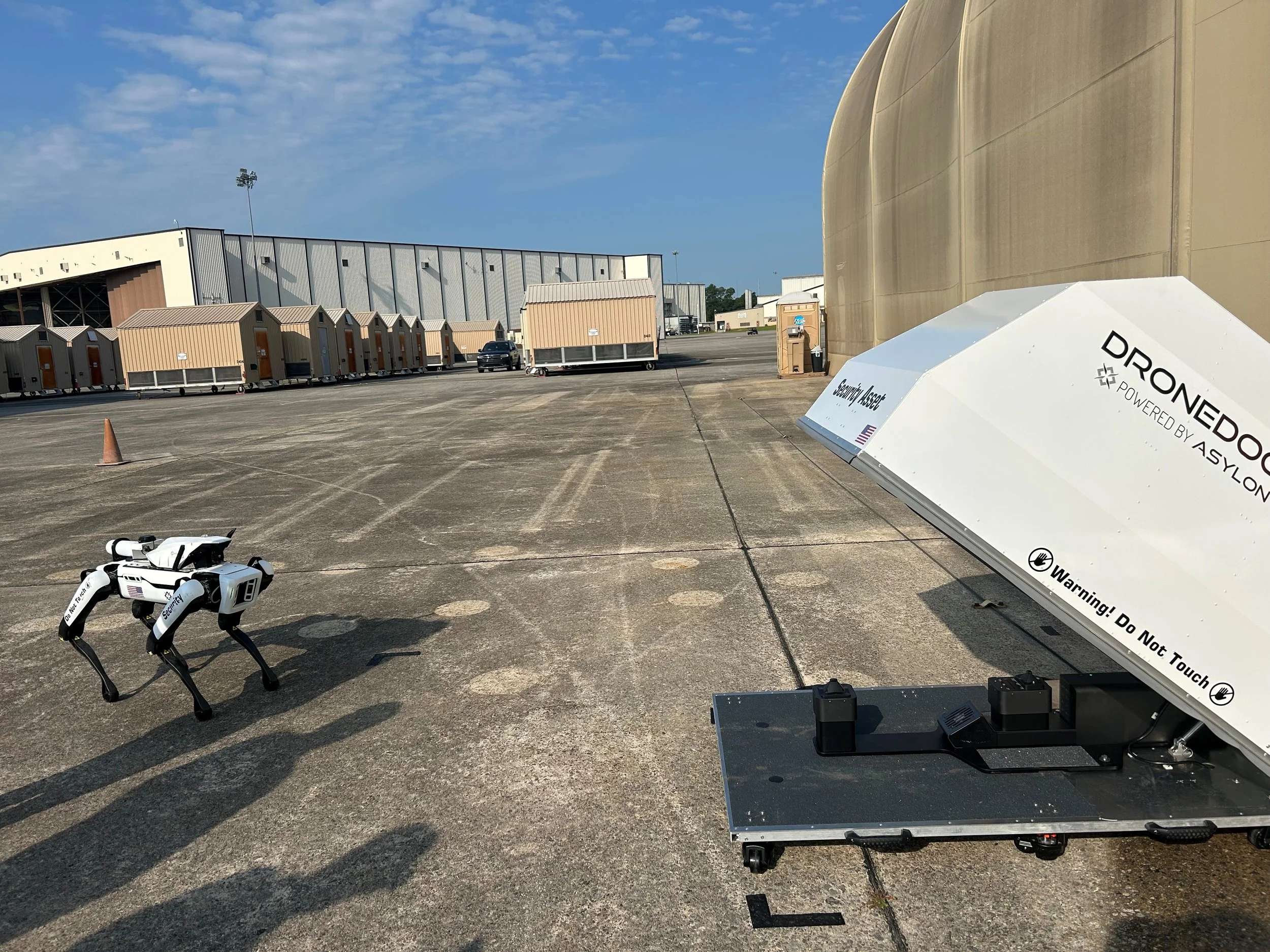
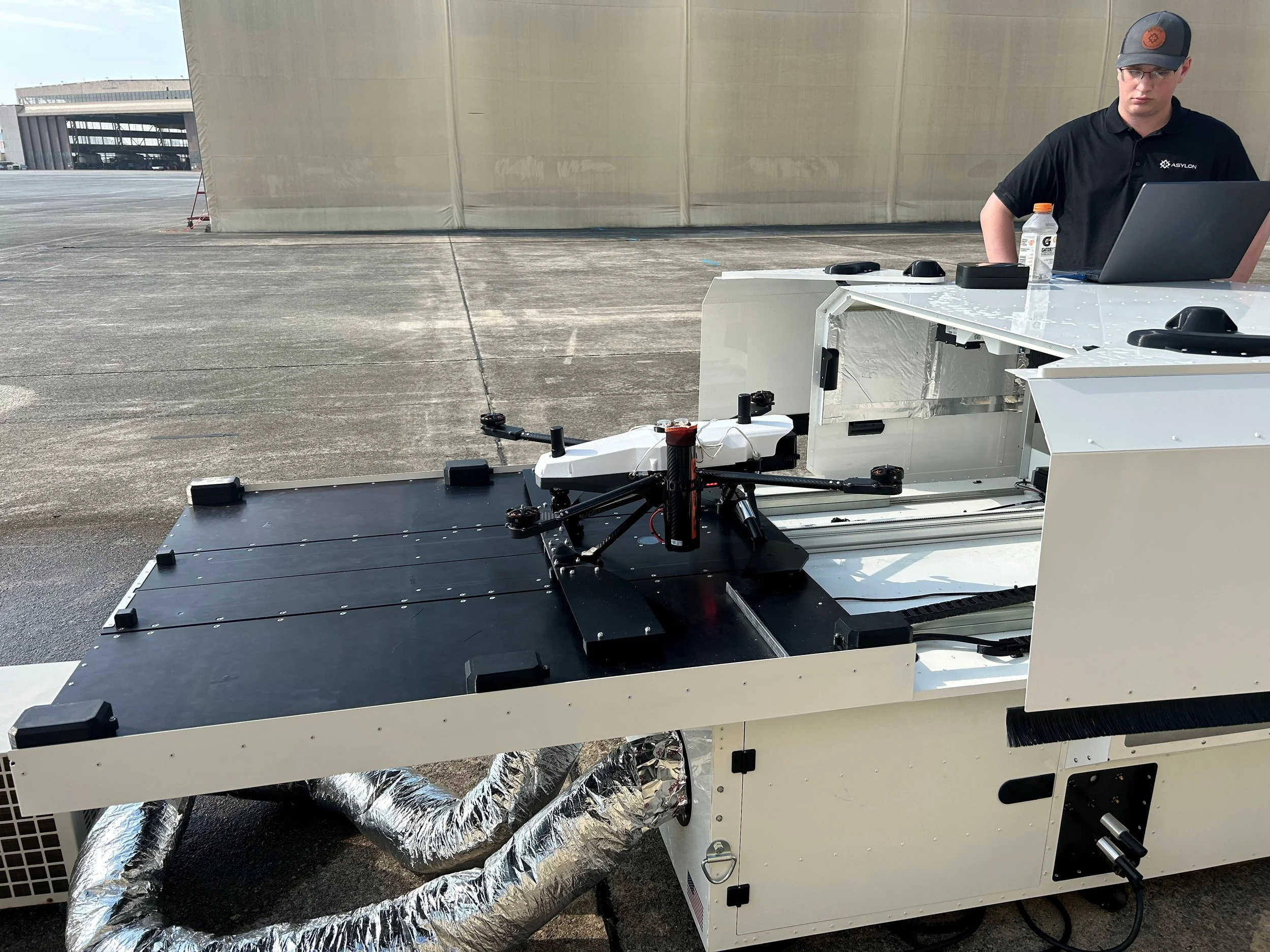
In April 2026, Asylon and Warner Robins personnel conducted an initial test flight to evaluate MARIA in an operational environment and refine procedures for using the system safely around aircraft. SBCC helped Asylon navigate government integration requirements and worked alongside stakeholders to develop a concept of employment (CONEMP), training guidance, and sustainment documentation needed to support long-term adoption.
MARIA reduces maintainer exposure to hazardous inspection environments, shortens inspection timelines, and produces more consistent results. These gains can help WR-ALC generate combat-ready aircraft more safely and efficiently. Backed by a strong track record, including multiple SBIR Phase II contracts and an active Strategic Funding Increase (STRATFI) award, Asylon Robotics represents an ideal innovative partner for the Air Force to modernize and enhance mission readiness for years to come. The initiative also demonstrates how small businesses can adapt promising technologies from commercial environments into operational use for national security.
"With 30 years in Air Force sustainment, it’s exciting to see this concept begin to transition from Showcase demonstration to a fielded capability. I know that success depends on teamwork. This initiative is a testament to what's possible when small businesses like SBCC and Asylon work together with the users at WR-ALC. The impact will be immediate—WR-ALC isn’t just getting a tool that makes inspections faster, but one that fundamentally improves safety and efficiency. This is the future of sustainment, and I’m excited to see its benefits expand across the Air Force.” Jim Long, Technology Strategy Manager / Robins AFB Site Lead, SBCC
SBCC is honored to support Asylon, WR-ALC, and the Airmen who sustain the force by transitioning innovative technology from testing into real-world operations. SBCC remains committed to advancing capabilities that improve mission effectiveness, safety, and quality of life for those who serve.
